

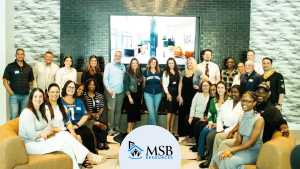
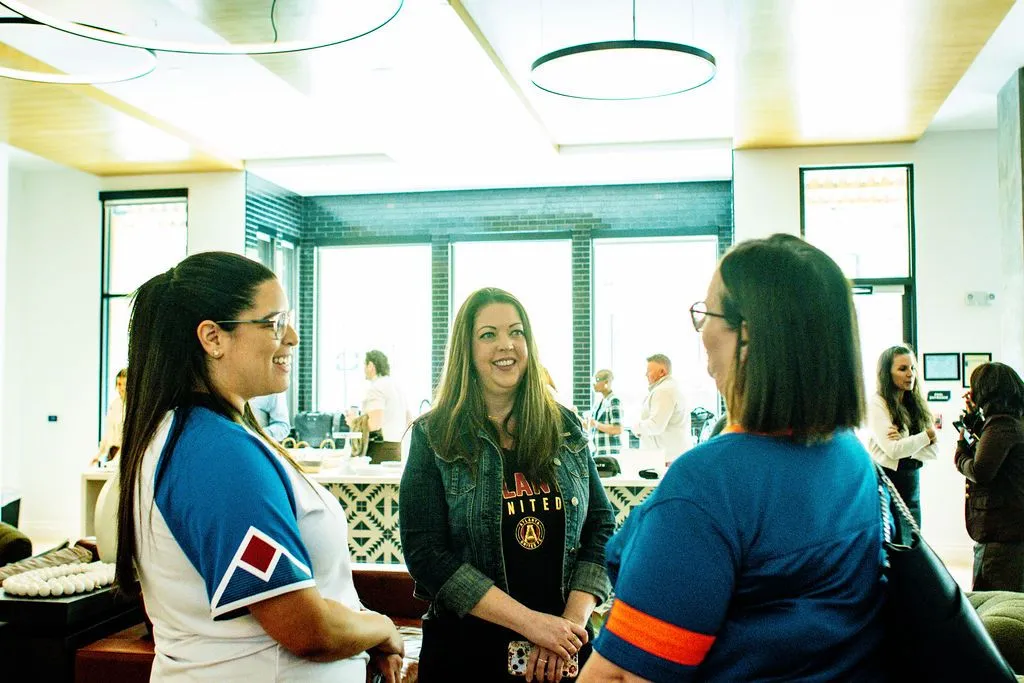
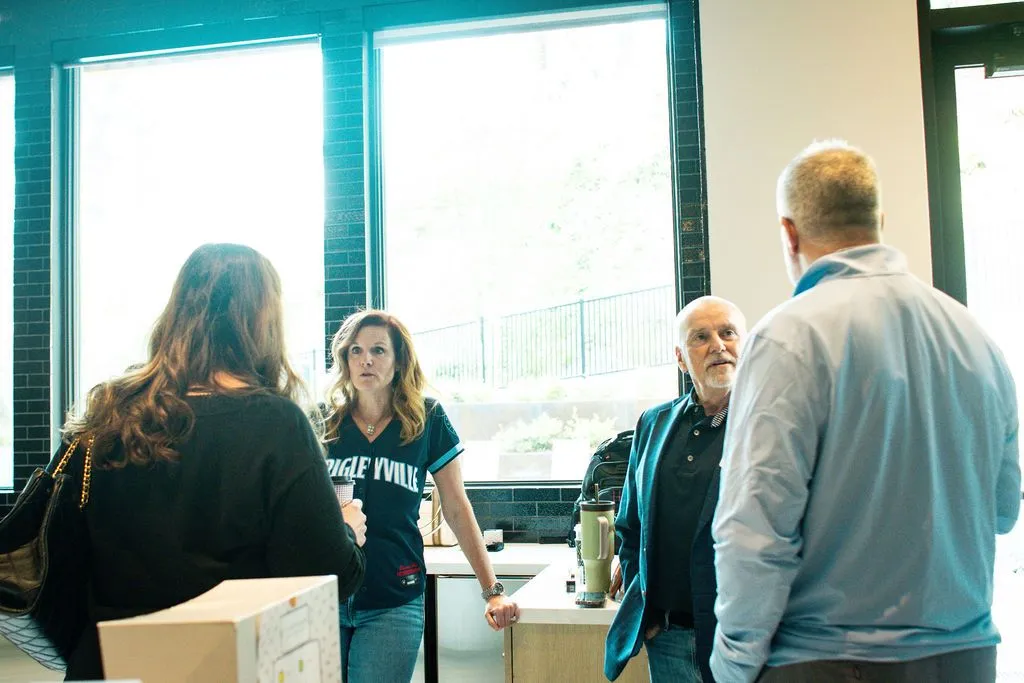
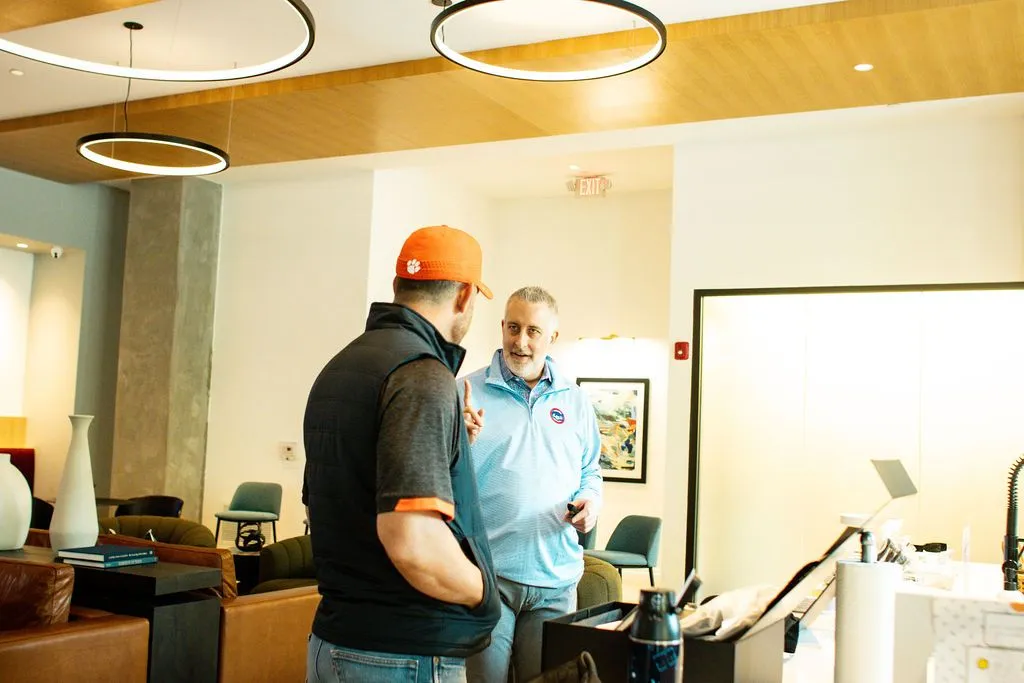
At this month’s Multifamily Breakfast Club in Atlanta, guest speaker Steve Matre of Success Matters 365 delivered the kind of career conversation that hits differently in today’s market. His session, “Climbing the Ladder (and Building It, Too): Career Growth in Property Management,” was not about chasing titles just to say you climbed higher. It was about building a career with intention, staying open to change, and recognizing that growth does not always follow a straight line.
That message matters, especially in multifamily, where so many professionals feel pressure to always be reaching for the next rung. Steve challenged that mindset in a refreshing way. He shared how his own career moved through accounting, operations, training, marketing, revenue, and HR, proving that some of the strongest careers are built not just by climbing up, but by stretching across. The takeaway was clear: breadth matters, curiosity matters, and sometimes the unexpected detour becomes the thing that sharpens your value the most.
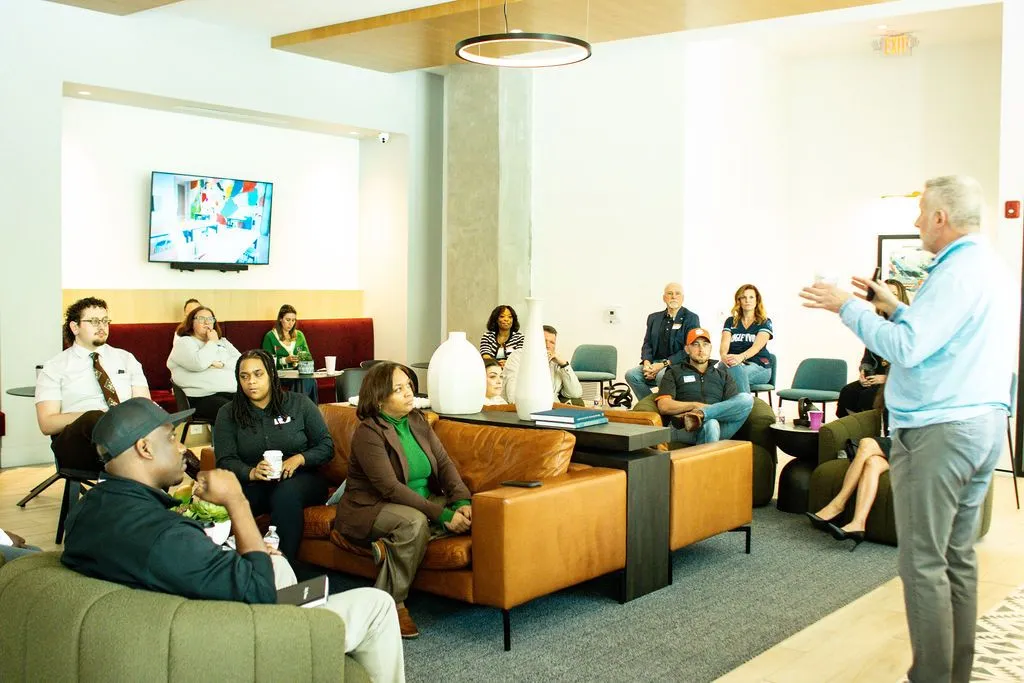
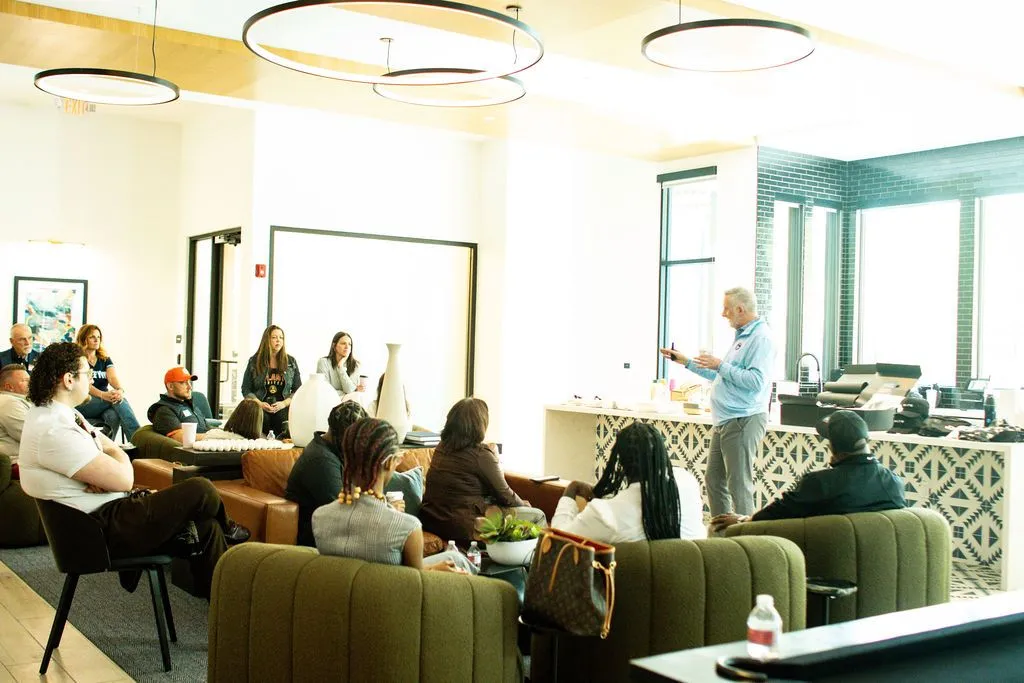
One of the strongest themes from his session was the idea that careers are often built through what he called the “unsexy moves.” The behind-the-scenes habits that do not always get applause but quietly shape strong leaders over time. Building relationships. Staying patient. Keeping track of your wins. Raising your hand. Asking better questions. Being prepared before the opportunity arrives. In a people-first industry like ours, those habits are often what separate professionals who simply work hard from professionals who grow with purpose.
Steve also shared one of the most practical tools of the morning: the “ta-da list.” Not a to-do list, but a running record of accomplishments, stretch assignments, measurable results, awards, and extra responsibilities that show your real value over time. It was a smart reminder that too many people wait until they need a résumé or an internal promotion conversation before trying to remember what they have done. By then, they have already forgotten half of it.

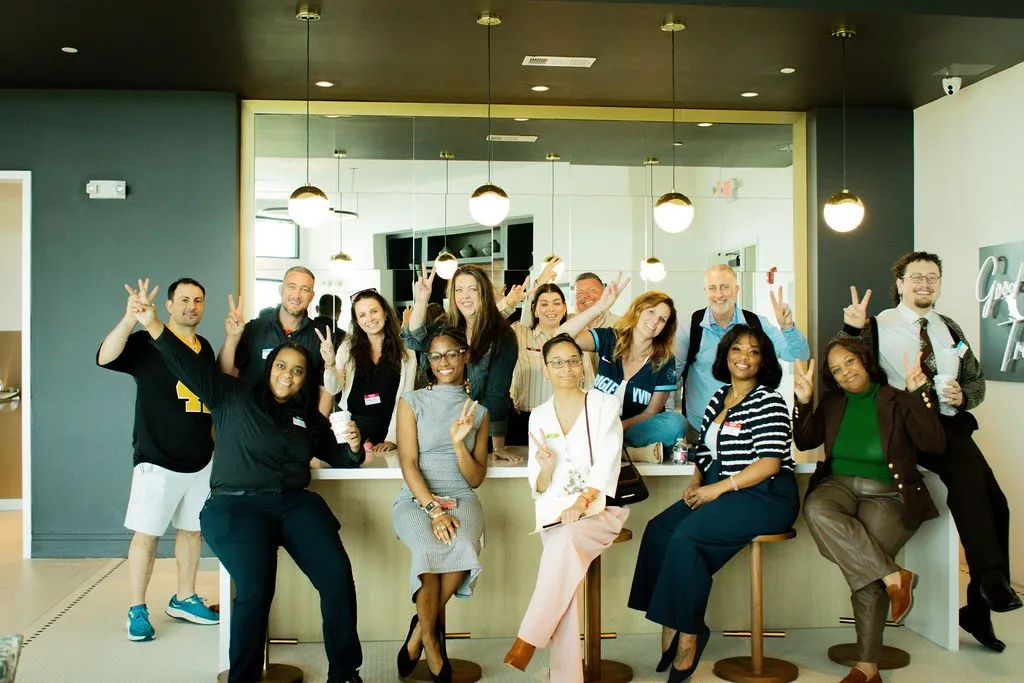

Another standout moment was his challenge around visibility. Steve was honest that hard work alone does not always get noticed, especially in large, fast-moving organizations. Sometimes you have to create your own visibility. His advice was simple and smart: reach out to someone unexpected inside your company, ask them to coffee, and learn another side of the business. It builds perspective, expands relationships, and helps people see you as someone invested in the bigger picture, not just your current role.
That idea connects directly to one of the biggest conversations happening in talent today. Growth is not just about promotion readiness. It is also about adaptability. Steve touched on how quickly multifamily roles are changing through centralization, analytics, resident experience, and AI. His perspective was not doom and gloom. It was optimistic. Industries evolve. Roles shift. New opportunities are created. The professionals who stay curious and continue building skills are the ones best positioned for what comes next.


He also offered an important reminder about leadership and culture. In Steve’s words, the real “culture captains” in multifamily are often the leaders closest to the teams, not just the executives at the top. Regional managers, community managers, maintenance leaders, and direct supervisors are the people shaping the employee experience every single day. That landed because it is true. In this industry, culture is not just something written on a wall. It is something people feel in the way they are led, developed, challenged, and supported.
For us at MSB Resources, that is exactly why conversations like this matter. Career growth is not only about filling seats or posting open roles. It is about helping people and organizations think more intentionally about development, leadership, retention, and what it really takes to keep strong talent engaged. When people feel seen, stretched, and supported, they stay longer, lead better, and contribute at a higher level.
Steve’s session was a great reminder that you are bigger than your current title, and your next opportunity may not look exactly like the one you imagined. Sometimes growth looks like climbing. Sometimes it looks like pivoting. And sometimes it looks like building the ladder as you go.